Low dose naltrexone (LDN) is being explored for its potential role in supporting patients with pain, inflammation, and a variety of chronic health conditions. While naltrexone is traditionally prescribed at higher doses for other uses, LDN refers to much lower, carefully prepared doses that are customized based on a prescriber’s direction.
At Allen Family Drug, we work closely with healthcare providers to compound low dose naltrexone in personalized strengths and dosage forms. This flexibility allows patients and providers to explore options that align with individual health needs and preferences.
What Is Low Dose Naltrexone?
Low dose naltrexone is naltrexone prescribed at significantly lower doses than its standard commercial forms. At these lower doses, it is believed to interact with immune and nervous system pathways differently than traditional dosing. Because these doses are not commercially available, LDN must be prepared by a compounding pharmacy.
Common LDN Dosages and Forms
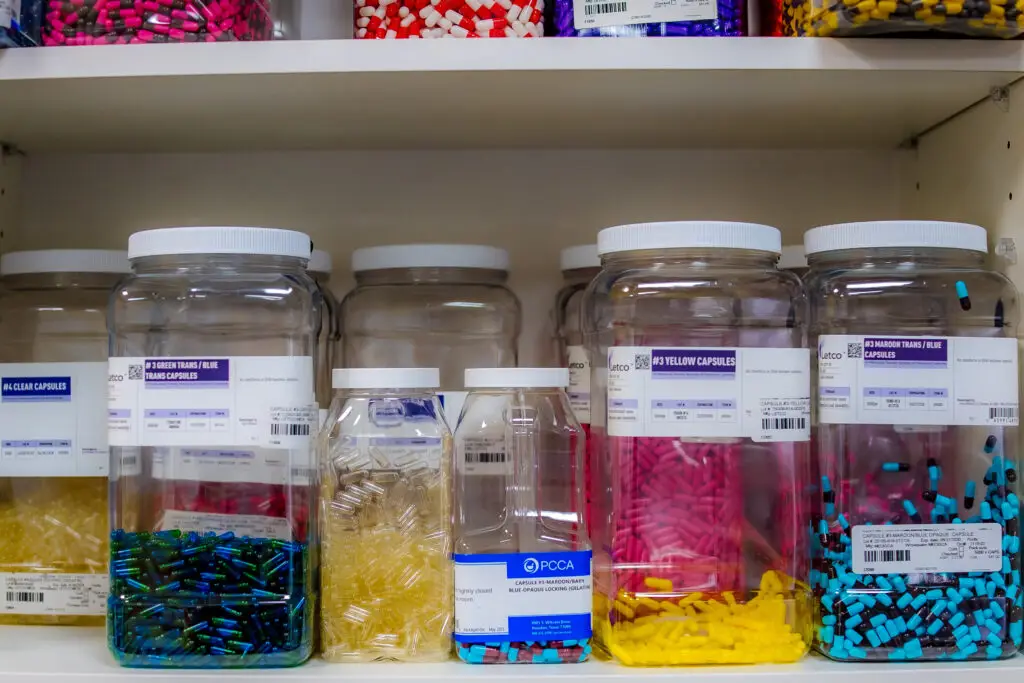
LDN is commonly prescribed in doses ranging from 0.5 mg to 4.5 mg, depending on the prescriber’s guidance and patient response. At Allen Family Drug, LDN may be compounded into several dosage forms, including:
- Capsules
- Oral liquids
- Topical formulations
This range of options provides flexibility for patients who may have difficulty with standard dosage forms.
LDN and Pain or Inflammation Support
Low dose naltrexone is often explored by providers for patients experiencing ongoing pain or inflammatory concerns. Some research suggests LDN may influence endorphin activity and inflammatory pathways, which has led to interest in its use as part of a broader pain management approach.
LDN is sometimes considered for patients managing conditions associated with persistent discomfort or inflammation, particularly when traditional approaches have not met individual needs. It may also be used alongside other therapies, depending on the provider’s treatment plan.
LDN’s Role in Pain Management Plans
Prescribers may consider LDN as part of a personalized pain management strategy. Potential areas of interest may include:
- Supporting the body’s natural endorphin activity
- Addressing inflammatory signaling pathways
- Use alongside other prescribed medications or therapies
As with all compounded medications, use and dosing are determined by a licensed healthcare provider.

Autoimmune-Related Conditions
LDN is frequently discussed in clinical settings for patients with autoimmune-related conditions. While research is ongoing, providers may explore LDN for individuals managing complex immune system activity.
Conditions sometimes discussed in relation to LDN include:
- Multiple sclerosis
- Rheumatoid arthritis
- Hashimoto’s thyroiditis
- Crohn’s disease
- Lupus
Fibromyalgia Support Considerations
Fibromyalgia is a chronic condition commonly associated with widespread pain and fatigue. Some providers explore LDN as part of a broader care plan for patients managing fibromyalgia-related symptoms. Compounded formulations allow dosing and delivery methods to be adjusted based on individual needs.
Chronic Fatigue Syndrome (ME/CFS)
Chronic Fatigue Syndrome, also known as myalgic encephalomyelitis (ME/CFS), involves persistent fatigue and other systemic symptoms. LDN is sometimes explored by providers for its potential role in addressing symptoms such as fatigue, discomfort, or cognitive challenges, depending on individual circumstances.

Other Conditions Where LDN May Be Explored
Depending on provider guidance, LDN may also be discussed for:
- Irritable bowel syndrome (IBS)
- Endometriosis
- Migraines
- Post-traumatic stress disorder (PTSD)
- Complex regional pain syndrome (CRPS)
- Certain dermatological concerns
Why LDN Requires Compounding
Low dose naltrexone is not available in commercially manufactured strengths suitable for these applications. Compounding pharmacies play an essential role in preparing LDN according to a prescriber’s exact specifications.
Benefits of Compounded LDN
- Customized dosing to match individual needs
- Alternative dosage forms for patients with sensitivities or swallowing difficulties
- Flexible formulation options based on provider direction
Compounding allows patients to receive medication tailored to their specific prescription and health considerations.
Low Dose Naltrexone FAQs
What conditions is LDN used for?
LDN is being explored for its potential role in supporting pain, inflammation, immune-related conditions, and other chronic concerns.
How is LDN taken?
LDN may be taken orally or applied topically, depending on how it is prescribed and compounded.
Can LDN be used with other medications?
This depends on the individual and should always be discussed with a healthcare provider and also our pharmacist. An individual’s medical history, current medications, and supplements will all be reviewed to ensure no interactions.
Are there side effects?
Some people may experience mild side effects when starting low-dose naltrexone. These effects are often temporary and may lessen as the body adjusts. Commonly reported side effects include sleep changes such as difficulty sleeping, vivid dreams, or nightmares; mild gastrointestinal symptoms like nausea, stomach discomfort, diarrhea, or constipation; headaches; fatigue or lightheadedness; and occasional mood changes such as nervousness or irritability.
Not everyone experiences side effects, and individual responses can vary. Patients should discuss any concerns or persistent symptoms with their healthcare provider.
Additional Resources
Why Choose Allen Family Drug for Low Dose Naltrexone?
Allen Family Drug is committed to providing personalized compounded medications through collaboration with patients and healthcare providers. Our compounding team prepares low dose naltrexone in customized strengths and dosage forms to align with prescriber instructions and individual patient needs. With a focus on quality, accuracy, and personalized care, we support patients in Allen, TX and surrounding communities who are exploring LDN as part of their healthcare plan.